The Hand of Glory
A film about the Hand of Glory: a dried human hand found hidden in a cottage wall at Castleton, on the North York Moors.
In the early twentieth century, a stonemason found a dried human hand hidden in the wall of a thatched cottage at Castleton, on the North York Moors.
He knew it from old stories as a Hand of Glory: a hanged man’s hand that held a candle, and kept a house asleep while thieves robbed it.
We made this film from the books that wrote those stories down, and from pictures of the time.
A Hand of Glory, a dried human hand, found in the early twentieth century hidden in the wall of a thatched cottage at Castleton, North Yorkshire. Given to a museum on the Yorkshire coast in 1935.
Download the film (MP4, 90 MB) and its captions (WebVTT). The work is in the public domain: its page on Wikimedia Commons.
In the film
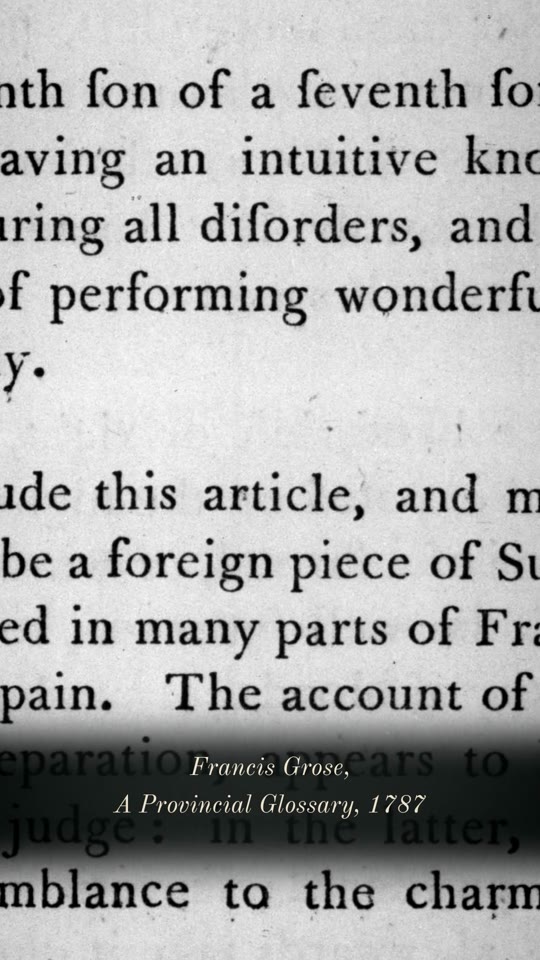
“In 1787, Francis Grose ends his book of country words and superstitions with one from abroad, believed in France, Germany and Spain.”
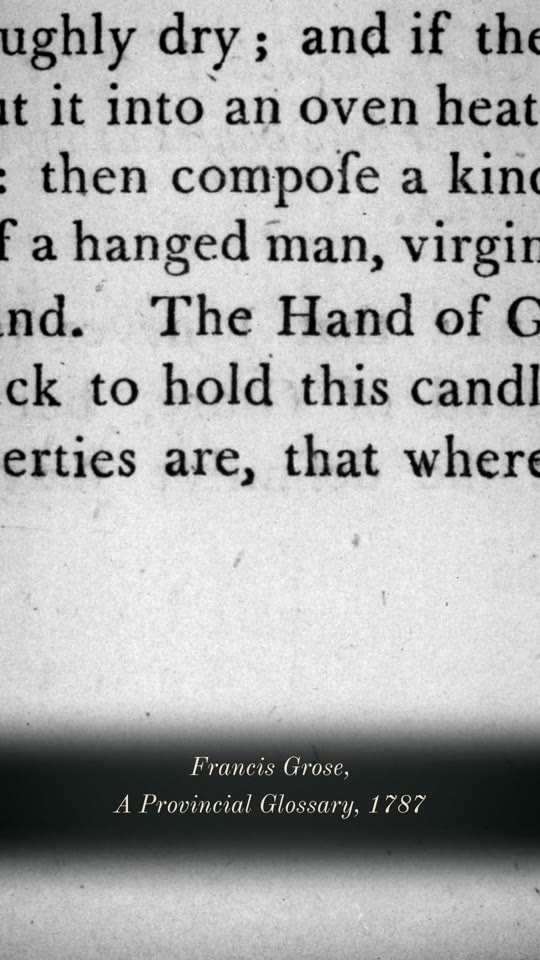
“The hand holds the candle.”
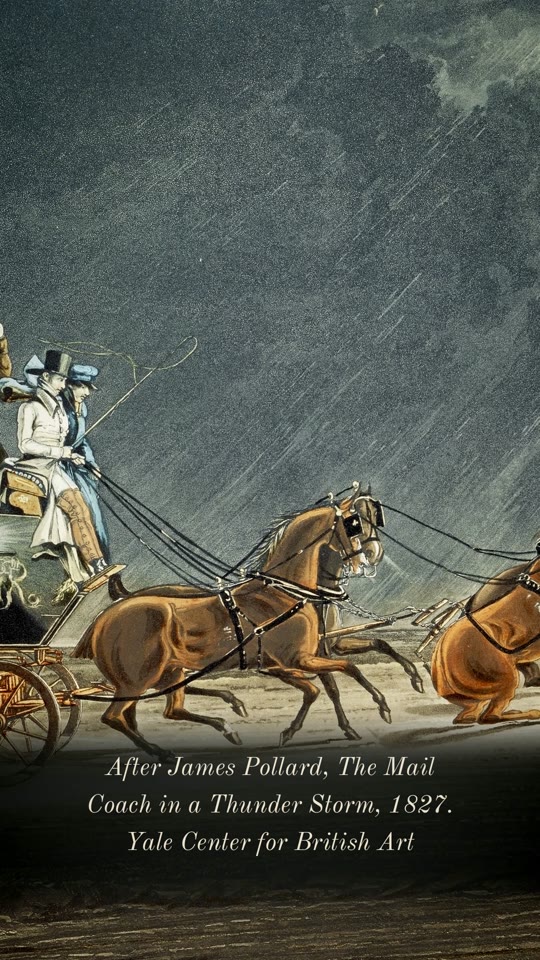
“One evening in the 1790s, a traveller in women’s clothes comes to the Old Spital Inn, high on Bowes Moor, where the mail coach changes horses.”
“So she runs down, takes a bowl of skimmed milk, and throws it over the hand and the candle.”
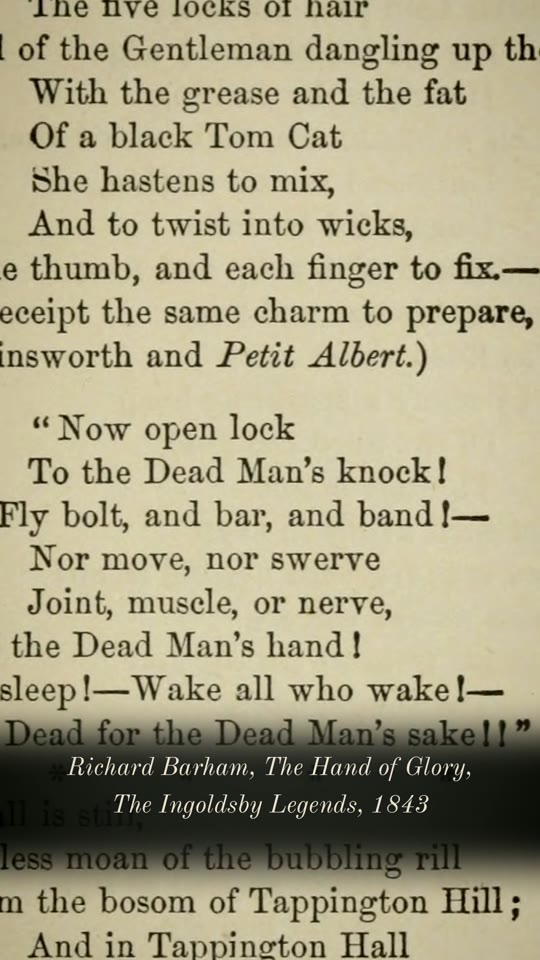
“Richard Barham puts it in a comic poem, and gives his witch a charm.”
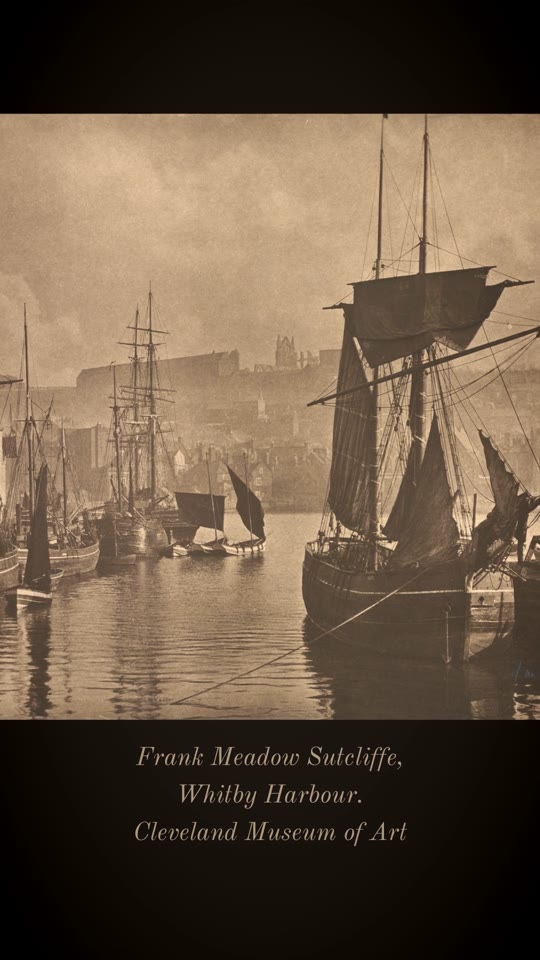
“In 1935 it went to a museum on the Yorkshire coast, and it is still there.”
Notes and sources
Each note takes a line from the film and gives its source. How we checked all 44 claims in the film.
-
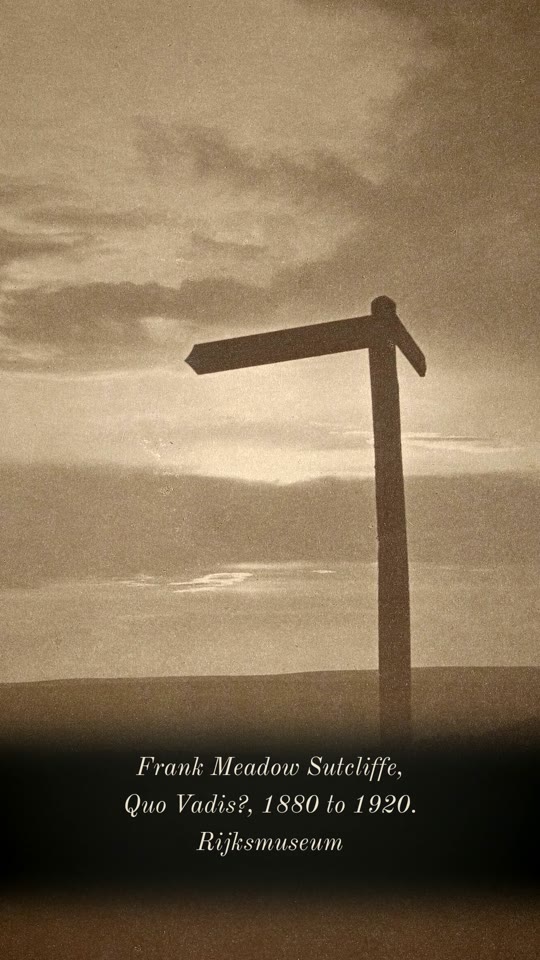
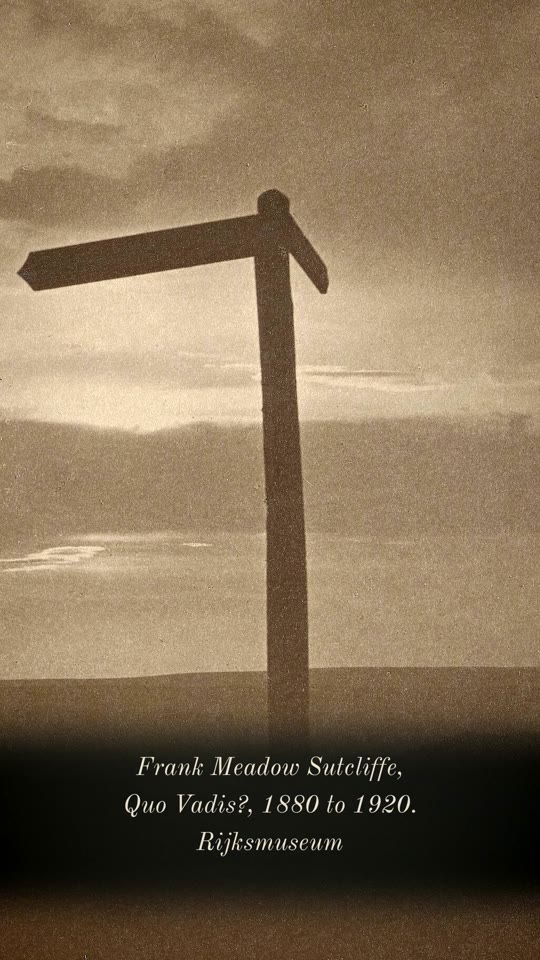
“Early in the last century, in Castleton, a village on the North York Moors”
In 1828 a gazetteer called Castleton “a hamlet in the township and parish of Danby”. It said the place “is situated on a small eminence, surrounded by the Cleveland Moors”.
Stephen Reynolds Clarke, The New Yorkshire Gazetteer, 1828, Internet Archive
-
“a human hand turns up, hidden in the wall of a thatched cottage.”
The museum that holds it says it was discovered in the early twentieth century, hidden on the wall of a thatched cottage in Castleton. It calls it a mummified severed human hand.
-
“It has been dried.”
The museum calls it a mummified severed human hand.
-
“Joseph Ford, a stonemason and local historian, knows at once what he thinks it is.”
The museum: Ford “immediately identified it from popular stories of such objects as a ‘Hand of Glory’.”
-
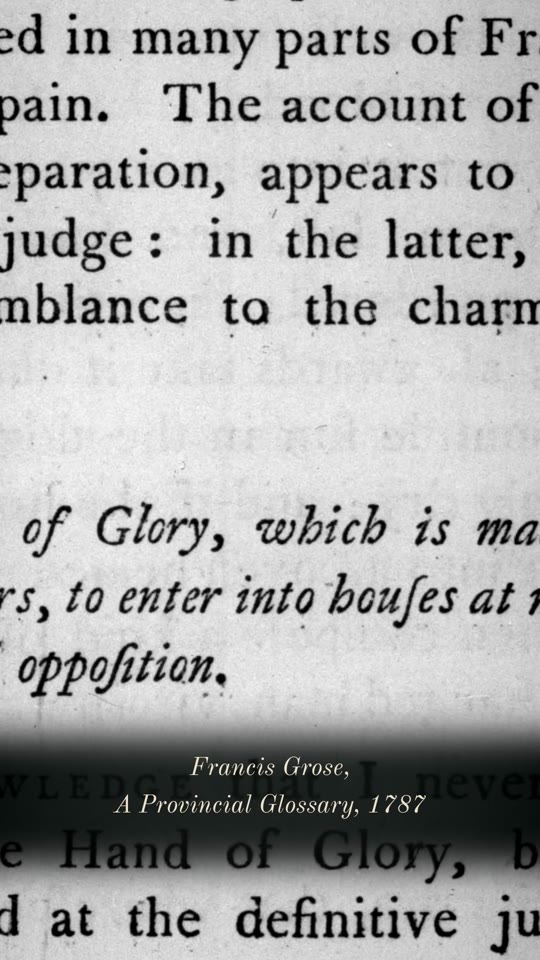
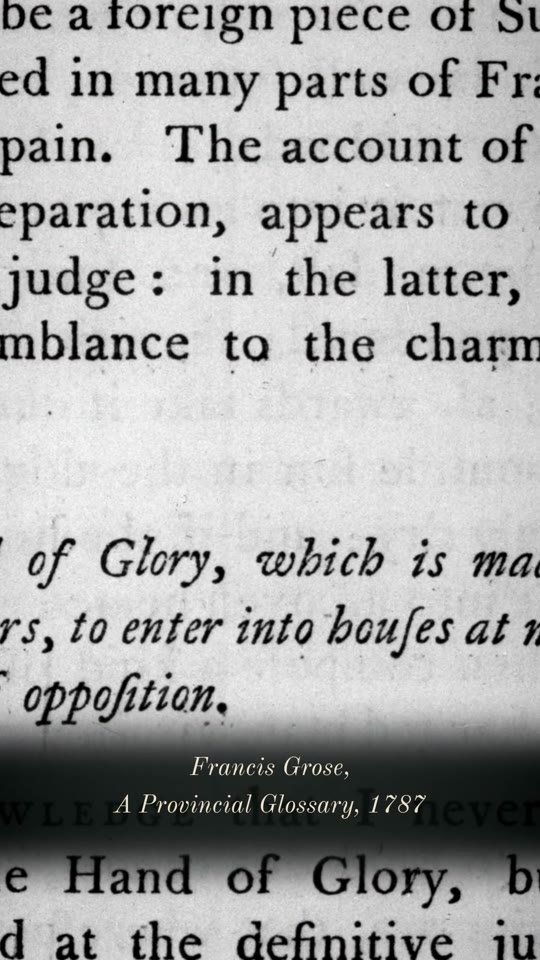
“In 1787, Francis Grose ends his book of country words and superstitions with one from abroad, believed in France, Germany and Spain.”
Grose, A Provincial Glossary, 1787, page 73: “To conclude this article, and my book, I shall transcribe a foreign piece of Superstition, firmly believed in many parts of France, Germany, and Spain.” The last words of the book, on page 75, are FINIS.
-
“A judge, he says, heard it from criminals who confessed under torture.”
Grose: the account “appears to have been given by a judge”, who wrote: “I have thrice assisted at the definitive judgment of certain criminals, who, under the torture, confessed having used it.”
-
“It is called the Hand of Glory.”
Grose’s heading, page 73: “Of the Hand of Glory, which is made use of by housebreakers, to enter into houses at night, without fear of opposition.”
-
“The hand is pickled for fifteen days, in salt, saltpetre and long pepper, then dried in the summer sun.”
Grose, page 74: “an earthen vessel, with zimat, saltpetre, salt, and long pepper ... leave it fifteen days in that vessel; afterwards take it out, and expose it to the noontide sun in the dog days.”
-
“A candle is made with a hanged man’s fat.”
Grose, page 74: “a kind of candle with the fat of a hanged man, virgin wax, and sisame of Lapland.”
-
“The hand holds the candle.”
Grose, page 74: “The Hand of Glory is used as a candlestick to hold this candle, when lighted.”
-
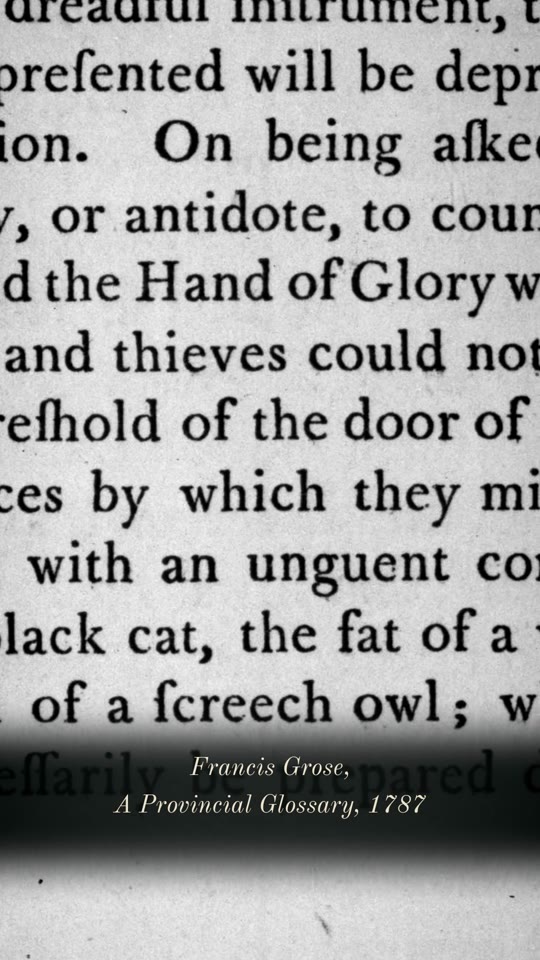
“Smear the doorstep with the gall of a black cat, the fat of a white hen, and the blood of a screech owl.”
Grose, page 75: “the threshold of the door of the house, and other places by which they might enter, were anointed with an unguent composed of the gall of a black cat, the fat of a white hen, and the blood of a screech owl.”
-
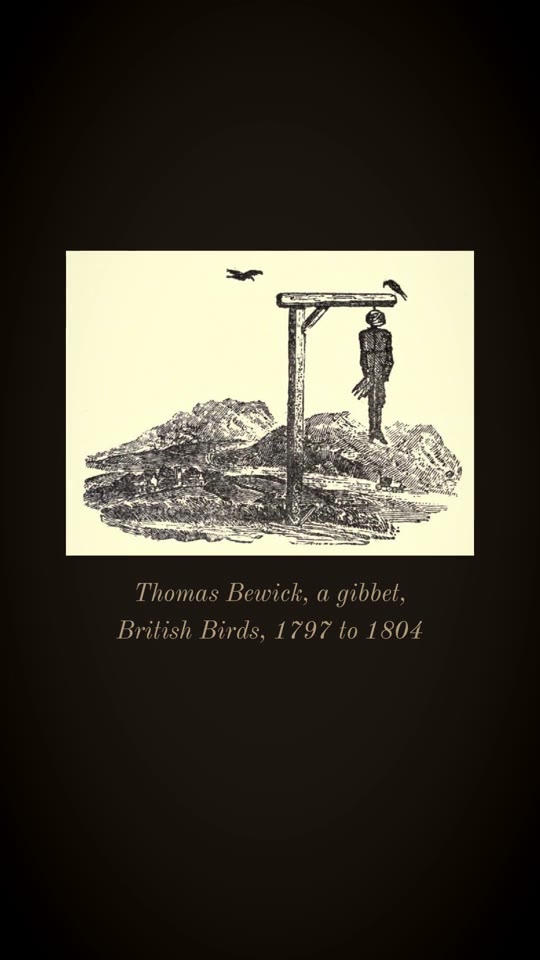
“Those are the last words of his book.”
On page 75, the defence ends the text, and FINIS follows.
-
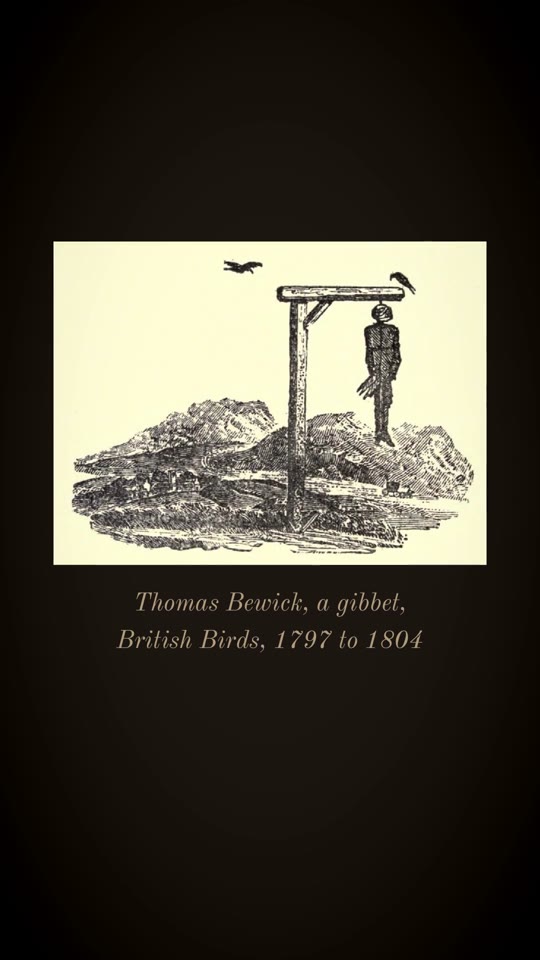
“In England, after a murderer was hanged, the body could be hung in chains by the road, and left there.”
The historian Sarah Tarlow writes of “the gibbets which formerly stood by roadsides and on commons all over England”. Under the Murder Act of 1751, she writes, the bodies of murderers “had to be either dissected or hung in chains”.
-
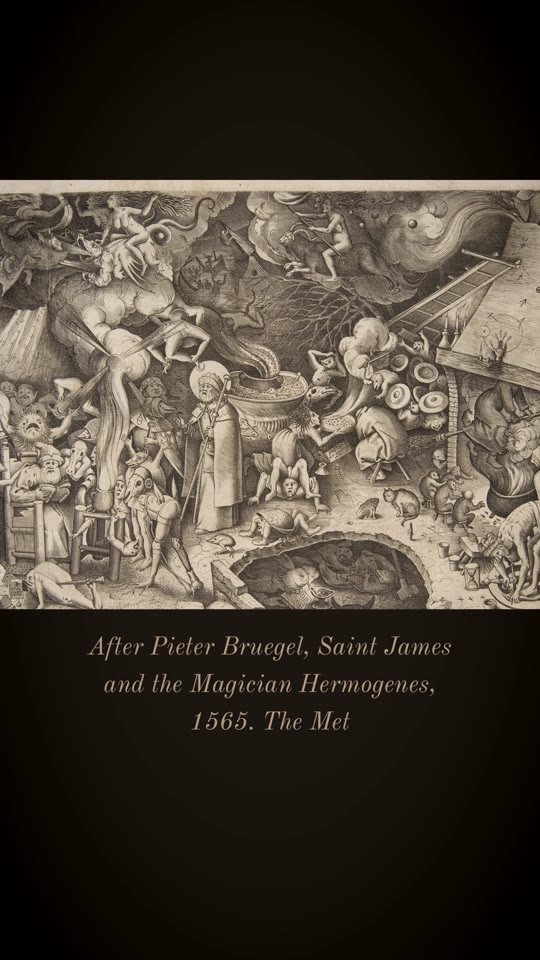
“Parliament stopped it in 1834.”
The Act of 25 July 1834 was passed “to abolish the Practice of hanging the Bodies of Criminals in Chains”. Before it, the law said that the body of every person convicted of murder “shall after Execution either be dissected or hung in Chains”.
-
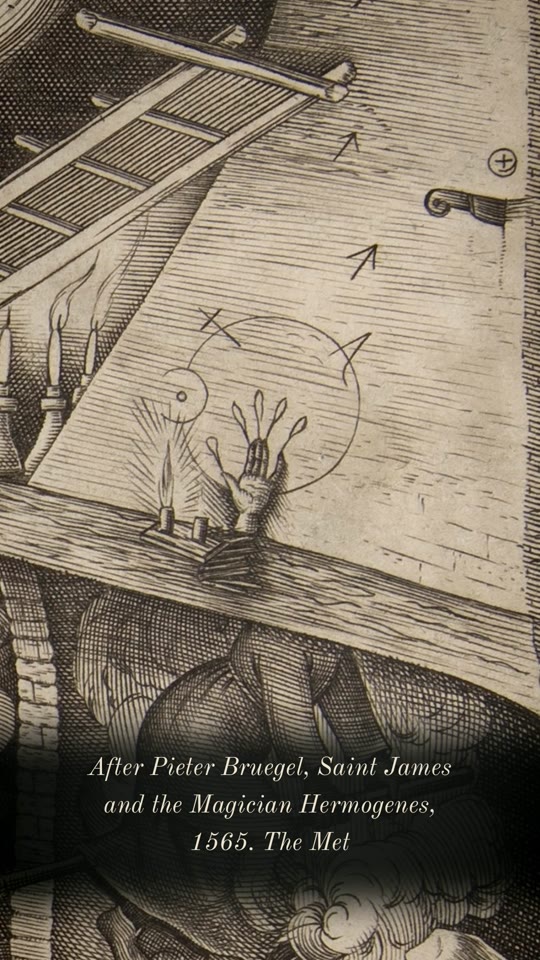
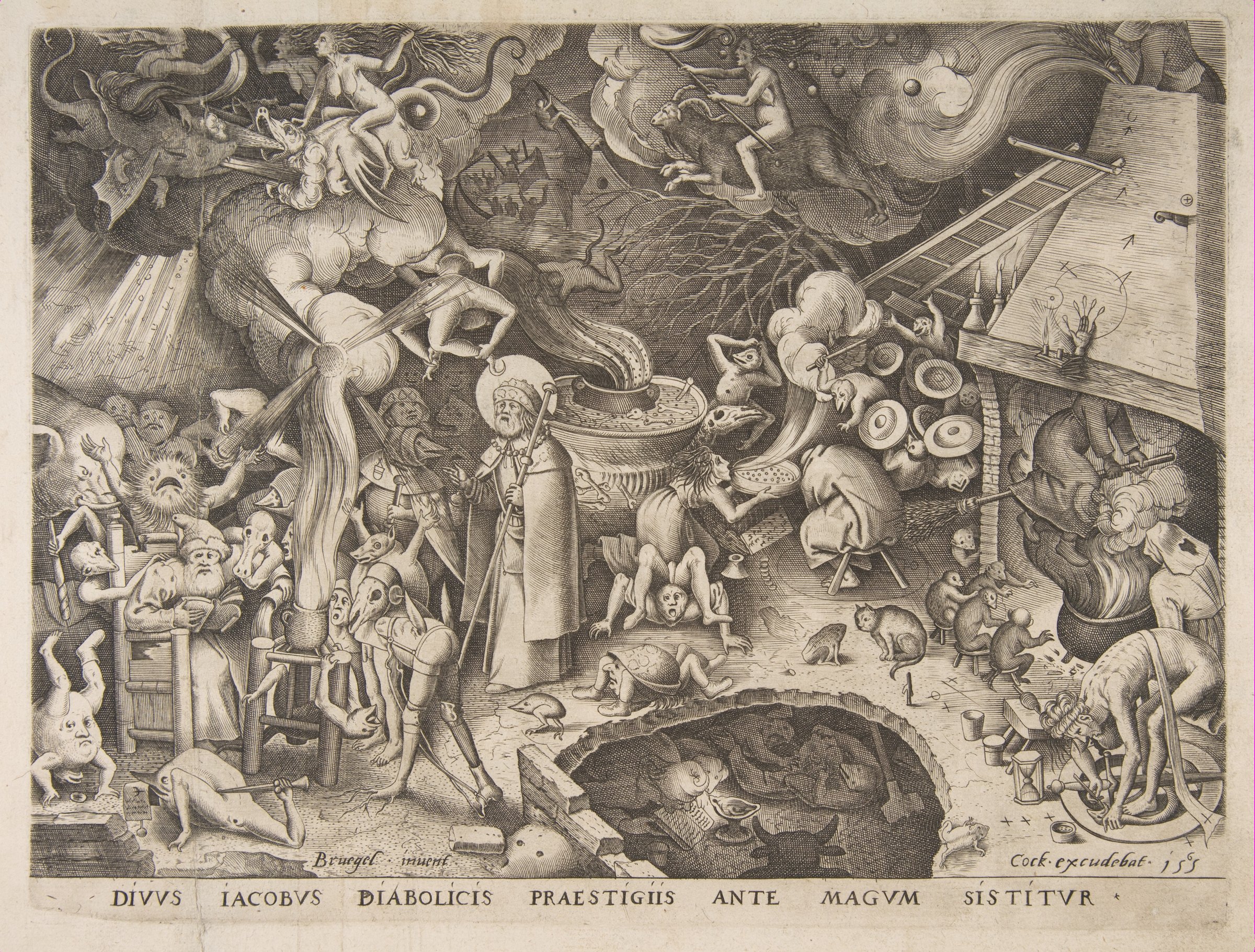
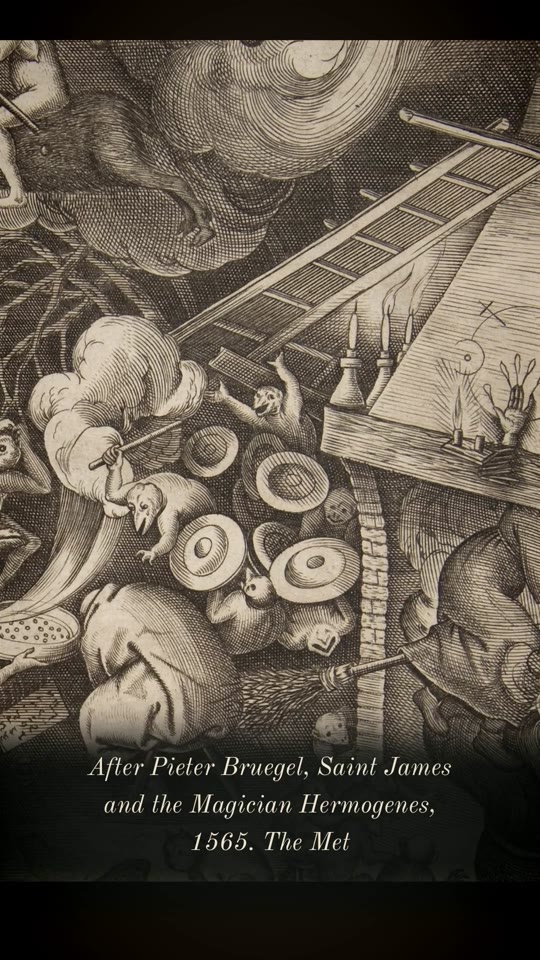
“On the chimney-piece, a hand stands up, with flames at the ends of its fingers.”
The print is signed “Bruegel inuent” and “Cock excudebat 1565”: designed by Pieter Bruegel the Elder, engraved by Pieter van der Heyden and published by Hieronymus Cock.
-
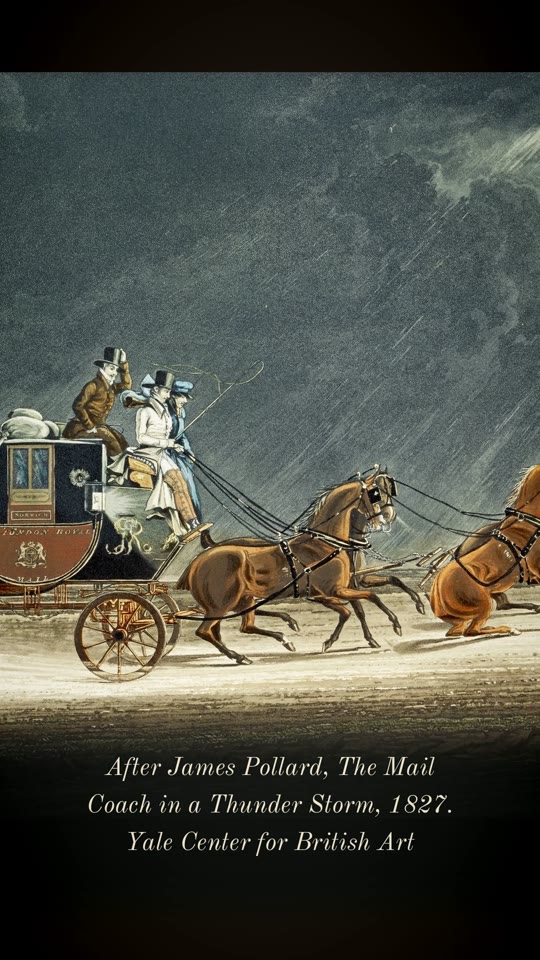
“The Hand of Glory reaches Yorkshire too.”
The Victoria County History of 1914 puts Bowes parish, with its “Spital Houses”, in its volume on the North Riding of Yorkshire. It says the inn on Stainmore “must have been the Old Spital Inn”.
-
“One evening in the 1790s, a traveller in women’s clothes comes to the Old Spital Inn, high on Bowes Moor, where the mail coach changes horses.”
Henderson, 1879, page 241: “One evening, between the years 1790 and 1800, a traveller, dressed in woman’s clothes, arrived at the Old Spital Inn, the place where the mail coach changed horses, in High Spital, on Bowes Moor.”
-
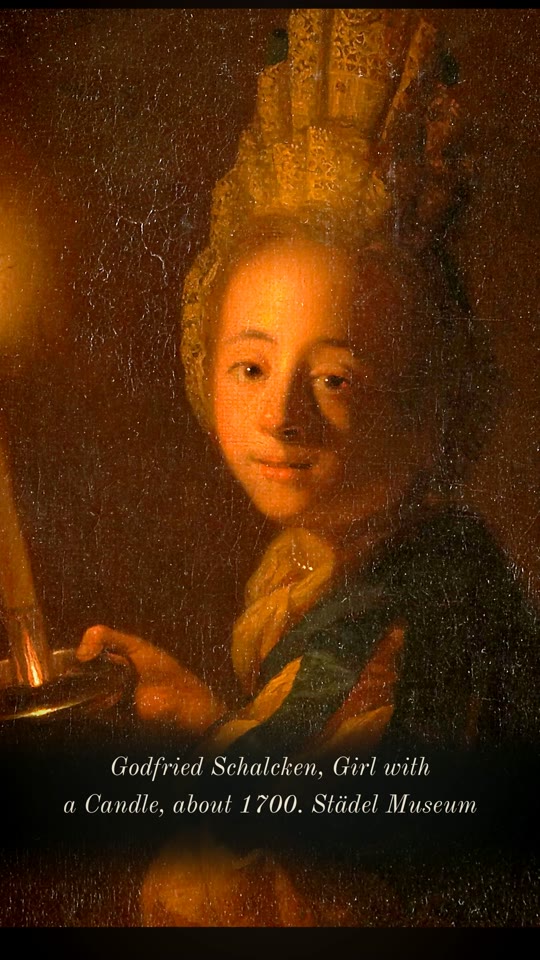
“The girl lies down on the settle by the fire.”
Henderson, page 241: “The girl lay down for a nap on the long settle by the fire.”
-
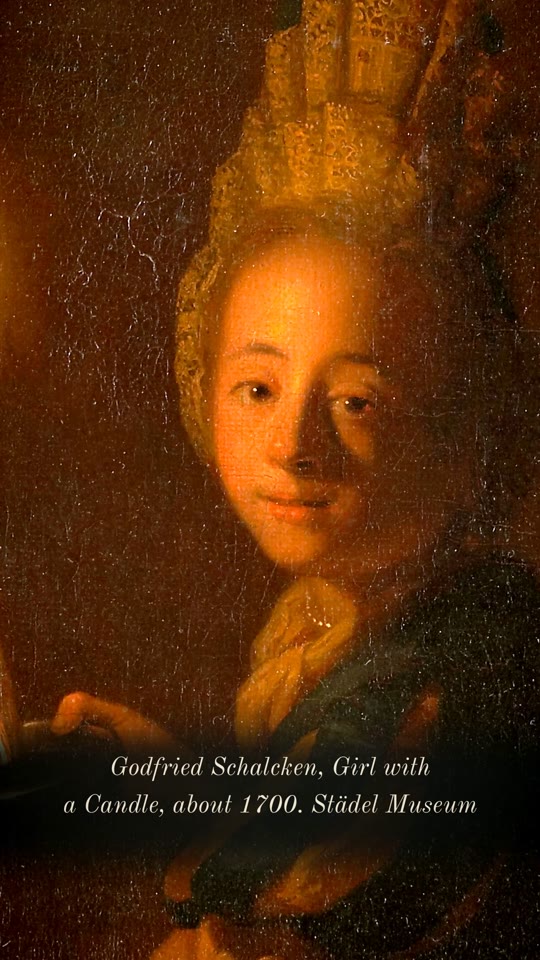
“she sees a pair of man’s trousers under the gown.”
Henderson: she “espied a pair of man’s trousers peeping out from under the gown.”
-
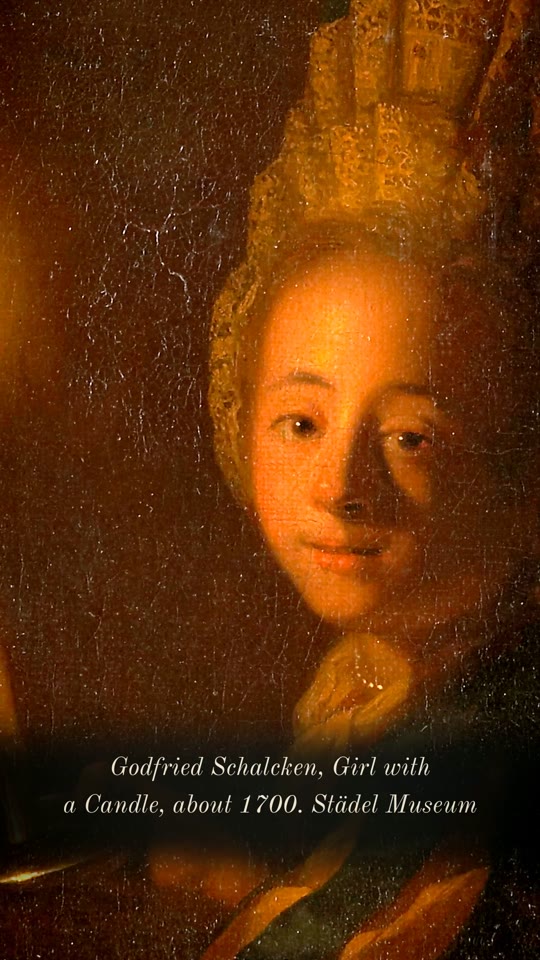
“She pretends to sleep. She even snores.”
Henderson: “with great self-command, she feigned it, closed her eyes, and even began to snore.”
-
“The traveller takes a dead man’s hand from his pocket, fits a candle to it, lights it, and passes it in front of her face.”
Henderson: the traveller “pulled out of his pocket a dead man’s hand, fitted a candle to it, lighted the candle, and passed hand and candle several times before the servant-girl’s face.”
-
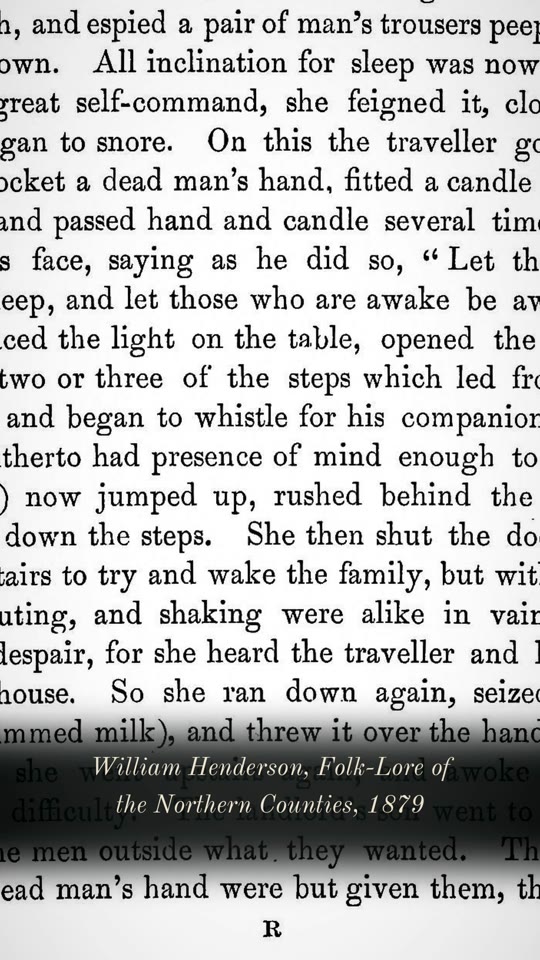
“The girl jumps up, pushes him down the steps, and locks the door.”
Henderson: she “pushed him down the steps. She then shut the door, locked it, and ran upstairs.”
-
“She shouts, and shakes the family, but nobody wakes.”
Henderson: “calling, shouting, and shaking were alike in vain.”
-
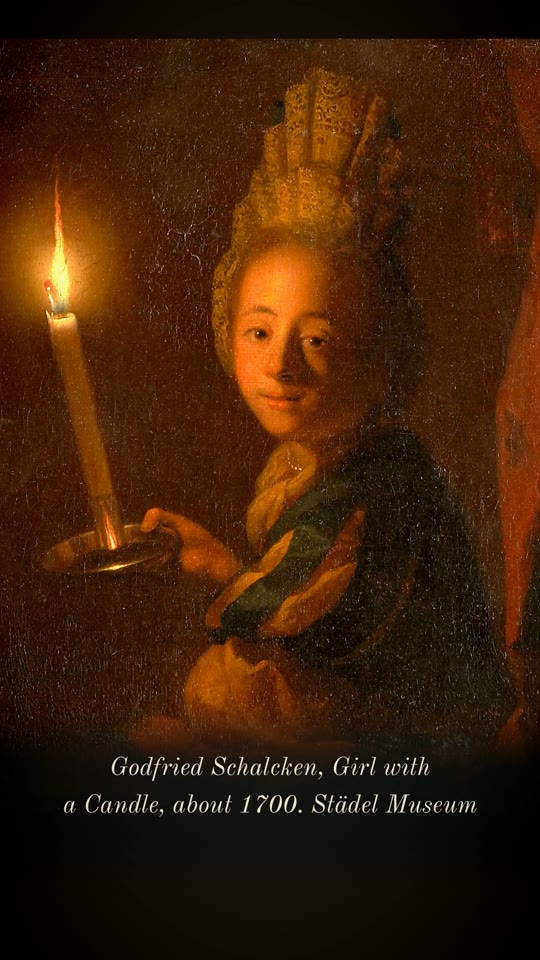
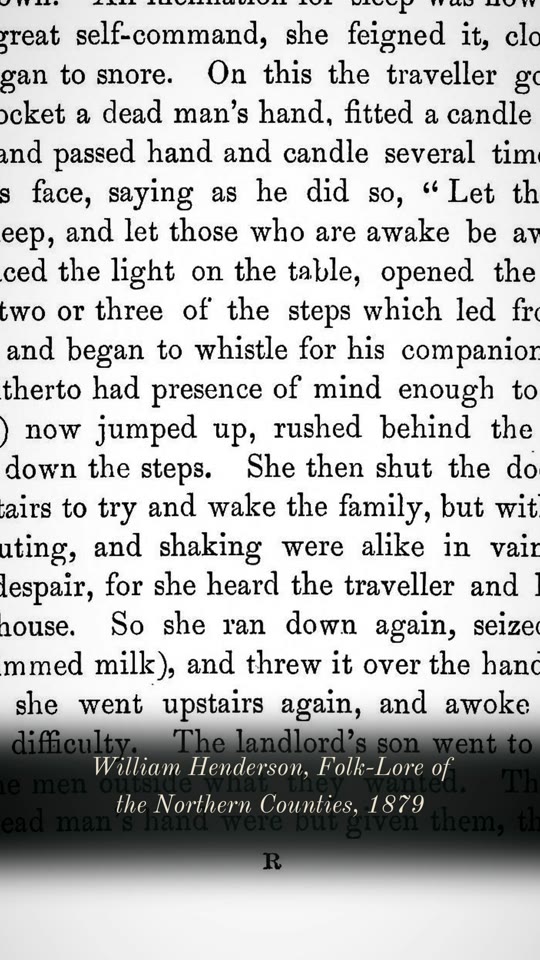
“So she runs down, takes a bowl of skimmed milk, and throws it over the hand and the candle.”
Henderson: she “seized a bowl of blue (i.e. skimmed milk), and threw it over the hand and candle; after which she went upstairs again, and awoke the sleepers without any difficulty.”
-
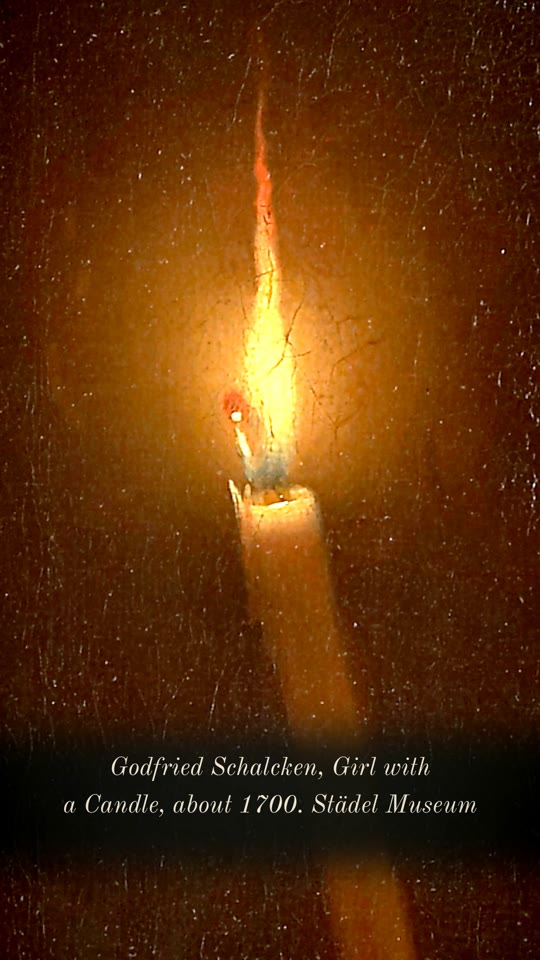
“She goes back up, and they wake at once.”
Henderson: she “awoke the sleepers without any difficulty.”
-
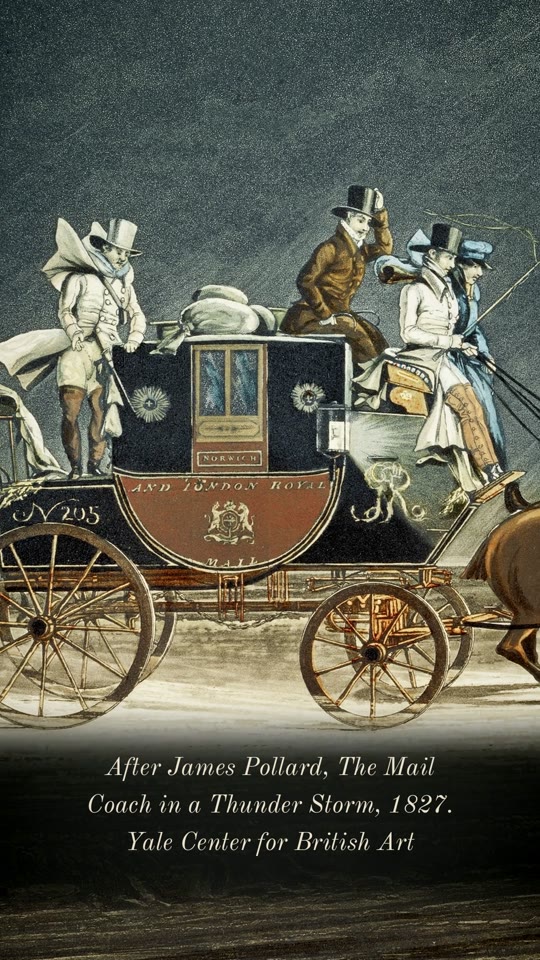
“The landlord’s son fires at them instead.”
Henderson, page 242: “This he refused, and fired among them.”
-
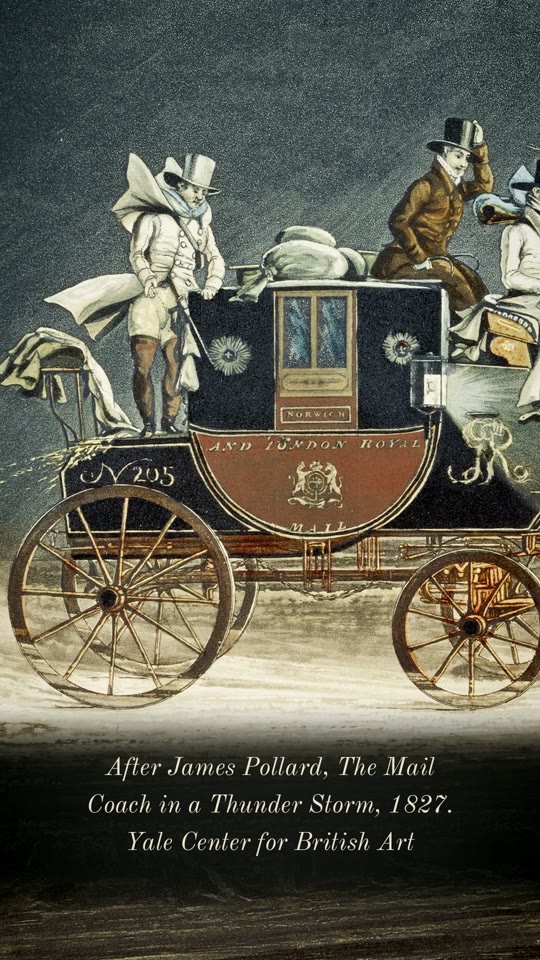
“In the morning, a trail of blood leads away from the inn.”
Henderson: “in the morning stains of blood were traced to a considerable distance.”
-
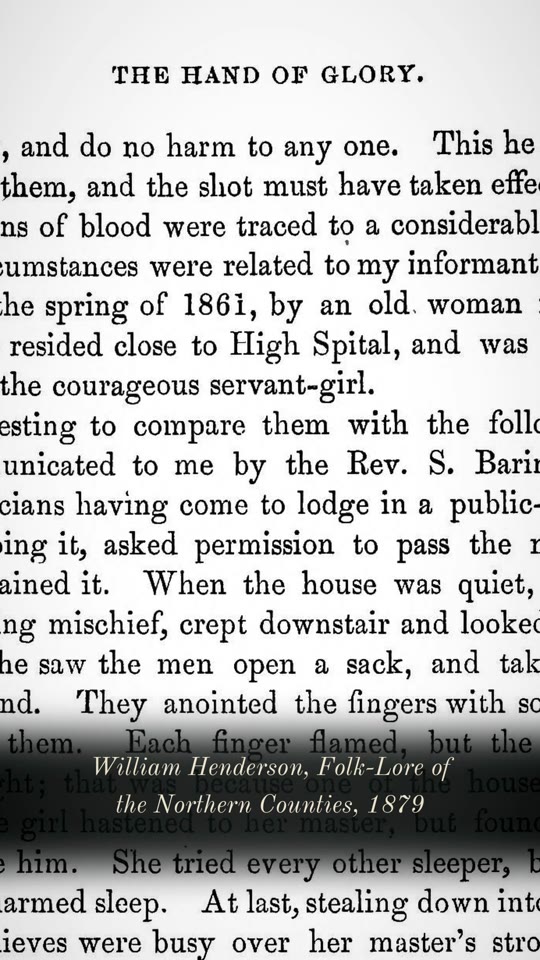
“In 1861 an old woman called Bella Parkin tells this story.”
Henderson, page 242: the story was told to his informant, Charles Wastell, “in the spring of 1861, by an old woman named Bella Parkin, who resided close to High Spital, and was actually the daughter of the courageous servant-girl.”
-
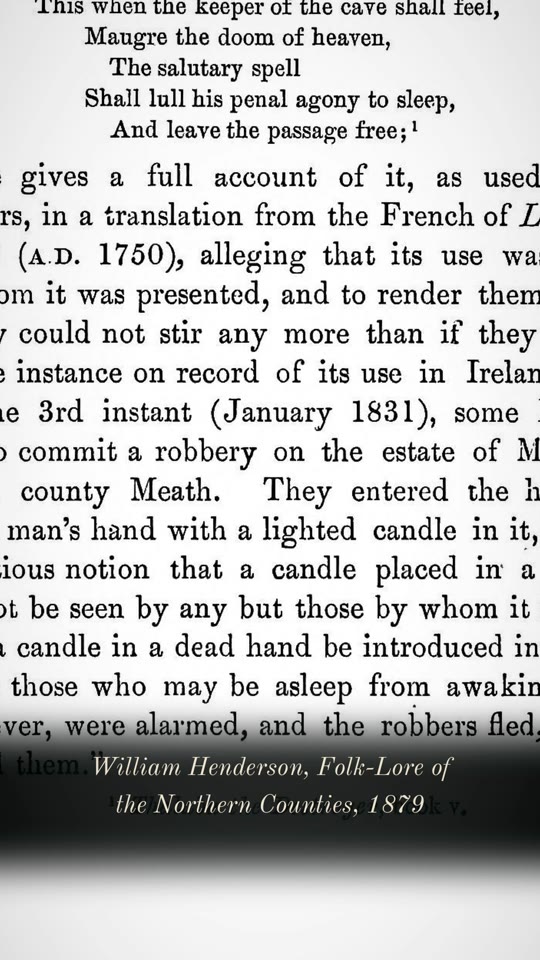
“In January 1831, in County Meath in Ireland, robbers break into a house carrying a dead man’s hand with a lighted candle in it.”
Henderson, page 240, quotes a report of the time: “On the night of the 3rd instant (January 1831), some Irish thieves attempted to commit a robbery on the estate of Mr. Naper, of Loughcrew, county Meath.”
-
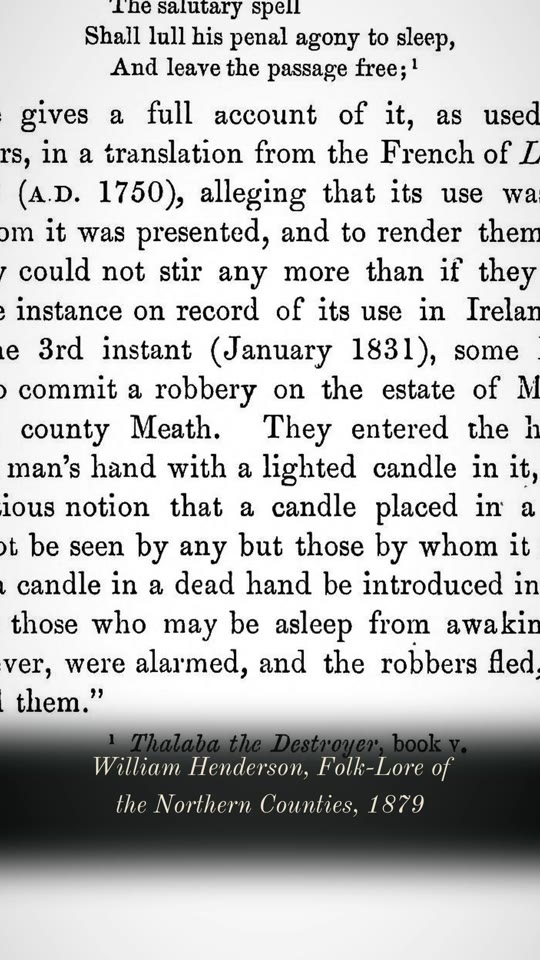
“The people inside wake up. The robbers run, and leave the hand behind.”
The report Henderson quotes: “The inmates, however, were alarmed, and the robbers fled, leaving the hand behind them.”
-
“Richard Barham puts it in a comic poem, and gives his witch a charm.”
The Nurse’s Story: The Hand of Glory, in The Ingoldsby Legends, first published in 1840 under the name Thomas Ingoldsby. The page on screen is from the 1843 edition, page 53.
Thomas Ingoldsby (Richard Harris Barham), The Ingoldsby Legends, 1843 edition, Internet Archive
-
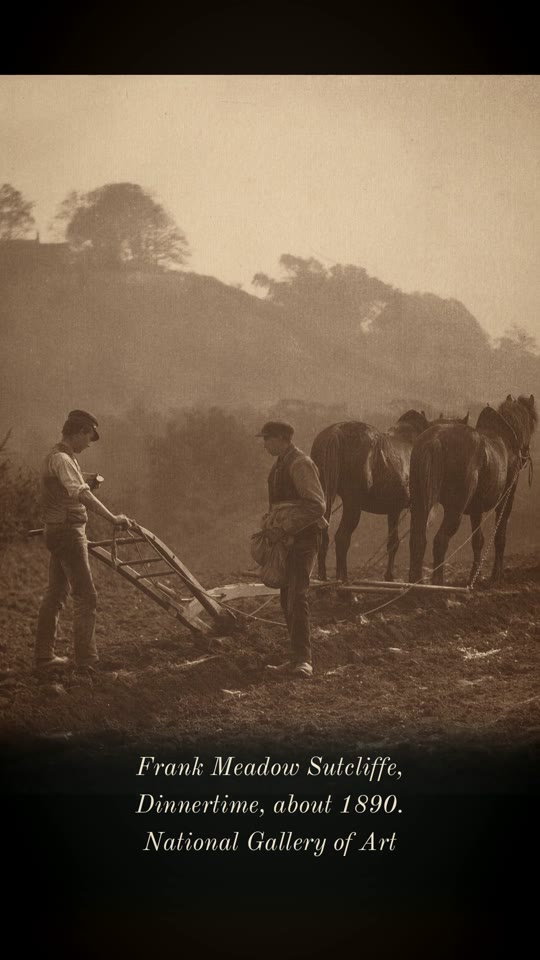
“In 1891 the vicar of Danby, the parish Castleton is in, writes about a woman called Hannah.”
J. C. Atkinson, Forty Years in a Moorland Parish, 1891, pages 97 to 99. He signs the title page “Incumbent of the Parish”. Castleton is in the civil parish of Danby.
-
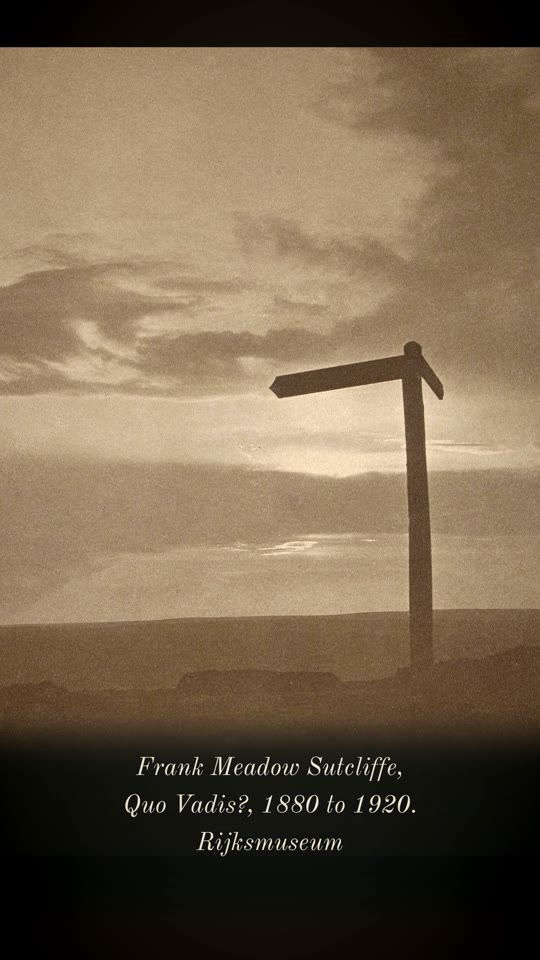
“She is looking for her witch-wood: rowan, cut in the right season and the right place, to keep witches away.”
Atkinson: the witch-wood is “portions of the rowan or mountain-ash tree ... It must be cut in due season, and in due season only; and not only that, but it must be cut in due place.” Hannah tells the farmer: “Wheea, I was nobbut lating my witch-wood.”
-
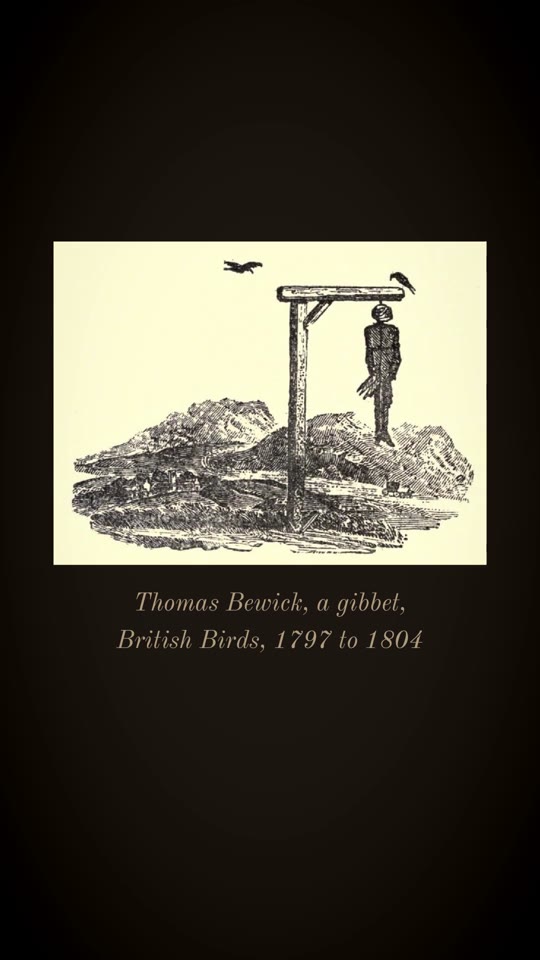
“He admitted he had no proof.”
Ford’s own book of 1953, page 153, as quoted in a local history blog: the hand “was snatched from a felon swinging on a gibbet, perhaps a gibbet at Gallow Howe”. The blog adds that Ford admits there is no proof of any hangings there. We have not read Ford’s book itself.
-
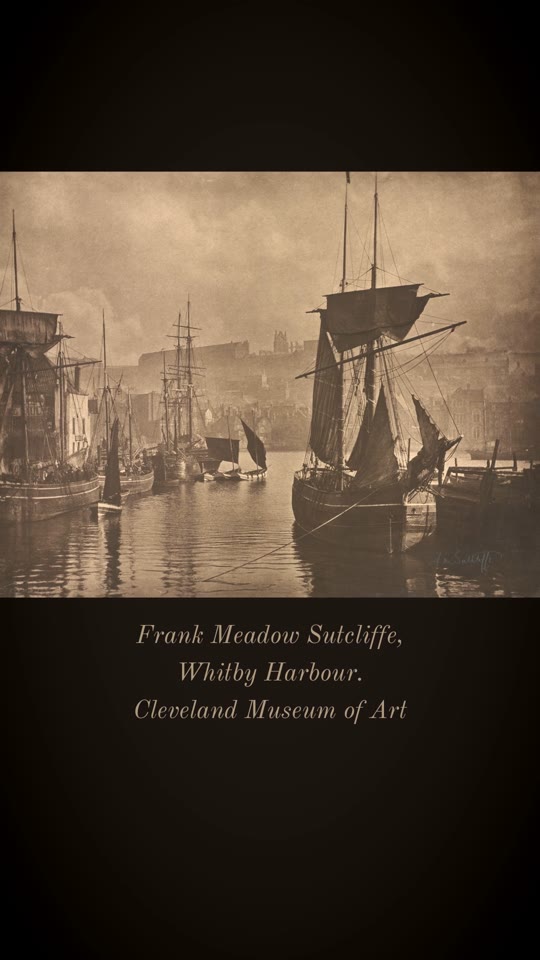
“No other Hand of Glory is known to survive.”
The museum: “the only alleged Hand known to survive.”
-
“In 1935 it went to a museum on the Yorkshire coast, and it is still there.”
The museum: “It was given to Whitby Museum in 1935 and is the only alleged Hand known to survive.” Its page says the hand is on show in its Chronicle of Curiosities exhibition, which ran in 2020. Check with the museum before you go that it is on show.